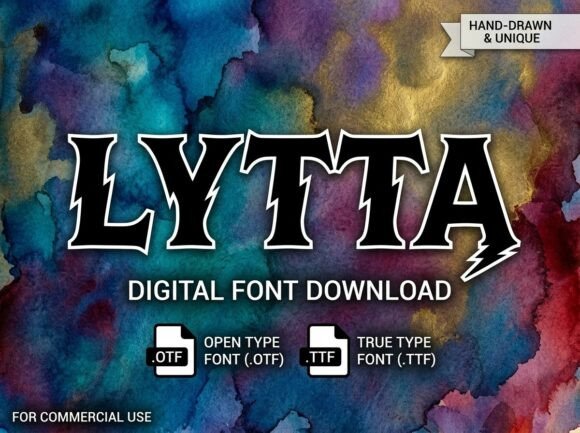
Lytta: The Premium Display Font for Editorial Design
In the world of publishing, the visual tone of a piece is just as critical as the words themselves. Whether you are designing a digital magazine, a lead magnet ebook, or a series of newsletter graphics, the typography sets the stage for reader engagement. Lytta stands out as a decorative display font designed to be the centerpiece of any layout. With its distinct artistic elements and strong character, it offers creators a powerful tool to elevate their content from standard text to memorable design.
As someone who manages editorial workflows across blogs, guides, and printable materials, I have learned that not every typeface needs to carry the weight of a full paragraph. Sometimes, a project requires a specific voice—a font that commands attention without sacrificing elegance. This is where Lytta shines. It is a creative font that brings personality to headers, covers, and quote graphics, allowing your publication to establish a unique brand identity immediately.
The Visual Personality of Lytta in Editorial Layouts
Lytta is more than just a collection of letters; it is a statement of style. Its design features distinct artistic flourishes that give it a handcrafted feel while maintaining the structural integrity needed for professional work. Unlike a script font that might be difficult to read at small sizes, Lytta is engineered to be a display font, meaning it excels when used for short bursts of text rather than body copy.
When applied to a blog header or a magazine cover, Lytta introduces an immediate sense of sophistication. The strong character of each glyph draws the eye, creating a focal point that guides the reader into the content. For editorial designers, this means you can use Lytta to set the mood before a single sentence is read. Is your publication a modern lifestyle guide? A vintage-inspired cookbook? Or perhaps a chic wedding planning workbook? Lytta adapts to these contexts, providing a visual anchor that supports your narrative.
Ideal Use Cases for Headings and Covers
The versatility of Lytta makes it suitable for a wide range of publishing formats. In the realm of ebooks, using Lytta for chapter openers or main titles can transform a flat document into an immersive experience. Instead of relying on generic bold fonts, you can use Lytta to create a sense of occasion for each new section.
- Blog Headers: Use Lytta for post titles to increase click-through rates by making headlines stand out in social media feeds and search results.
- Magazine Covers: The strong character of the font ensures legibility even against complex background images, perfect for digital or print publications.
- Newsletter Graphics: Incorporate Lytta into email templates to break up text blocks and highlight key announcements or featured stories.
- Printable Guides: For worksheets, planners, and checklists, Lytta adds a premium touch that justifies the value of the download.
It is important to note that Lytta is best suited for titles, subtitles, pull quotes, and accent typography. While it has a distinct look, it is not intended for long-form reading. Using it for body text would compromise readability and fatigue the reader's eye. Instead, reserve it for the moments where you need to capture attention and reinforce your publication's aesthetic.
Building Visual Hierarchy and Reader Engagement
Effective editorial design relies heavily on visual hierarchy. You want the reader to know what is most important without having to hunt for clues. Lytta plays a crucial role here by acting as a visual marker. When paired correctly with a readable serif font for body copy, Lytta creates a balanced composition that feels both dynamic and structured.
Consider a scenario where you are writing a guide on sustainable living. You might use a clean sans serif font for the instructional text to ensure clarity, but use Lytta for the section headings like "Eco-Friendly Tips" or "The Green Home." This contrast creates a rhythm in the reading experience, breaking up dense information and making the content feel approachable.
For quote graphics, Lytta is particularly effective. Social media platforms are visual-first environments, and a well-designed quote card featuring Lytta is much more likely to be shared than one with plain text. The artistic elements of the font add a layer of emotional resonance to the message, encouraging readers to pause and reflect.
Font Pairing Strategies for Professional Results
To maximize the impact of Lytta, choosing the right companion font is essential. Since Lytta is a display font with high visual interest, it pairs beautifully with understated typefaces that do not compete for attention.
A classic combination involves pairing Lytta with a traditional serif font. The reliability of a serif face grounds the design, providing excellent readability for paragraphs while letting Lytta handle the decorative elements. This pairing works exceptionally well for literary magazines, history books, and academic newsletters.
Alternatively, if your brand leans towards a modern, minimalist aesthetic, pair Lytta with a clean sans serif font. This contrast highlights the artistic nature of Lytta while keeping the overall layout crisp and contemporary. This approach is ideal for tech blogs, design portfolios, and corporate reports that need a creative edge.
When working with multilingual projects, it is worth checking the included styles and support. Many premium fonts offer extensive language support, ensuring that your international audience receives the same high-quality experience. Additionally, exploring available alternates and ligatures can allow you to customize the look of specific words, adding a bespoke feel to your branding.
Technical Considerations for Digital and Print
As a content creator, you must consider how your designs will render across different mediums. Lytta is optimized for both screen reading and PDF exports, but there are practical considerations to keep in mind.
On mobile layouts, large display fonts can sometimes cause layout shifts if not sized correctly. Ensure that Lytta is scaled appropriately so that it remains legible on smaller screens without overwhelming the content. For print materials, such as brochures or book covers, the high resolution of Lytta ensures that the fine details of the letterforms remain sharp and clear.
When exporting for web use, remember that custom fonts can impact page load times. However, for static assets like logos, headers, and cover images, the file size is usually negligible compared to the visual benefit. For interactive elements, ensure that fallback fonts are set so that the design remains intact even if the browser cannot load the specific Lytta file.
Commercial Licensing and Brand Identity
One of the most significant advantages of using Lytta is its potential for commercial applications. Whether you are selling digital products, creating paid newsletters, or designing client publications, understanding the licensing terms is vital. A commercial font license typically grants you the right to use the typeface in logos, packaging design, web design, and social media graphics for profit.
This flexibility allows independent brands to maintain a consistent visual identity across all touchpoints. From a downloadable worksheet to a printed magazine, Lytta helps unify your message. It transforms a simple document into a branded asset that reflects professionalism and care.
By integrating Lytta into your workflow, you are not just selecting a font; you are investing in the visual quality of your communication. It supports the goals of modern typography by balancing artistry with function. Whether you are launching a new ebook, redesigning a blog, or updating a brand identity, Lytta provides the distinctive character needed to make your content stand out in a crowded digital landscape.
Ultimately, the goal of editorial design is to serve the reader. Lytta serves this purpose by enhancing readability through clear visual cues and by creating an emotional connection through its unique style. For publishers and designers who value both form and function, Lytta is an essential addition to the toolkit of design assets.